EMAIL US
Sales@alaskadredge.com

Stormwater Pond Dredging to Improve Urban Drainage in Alaska Cities

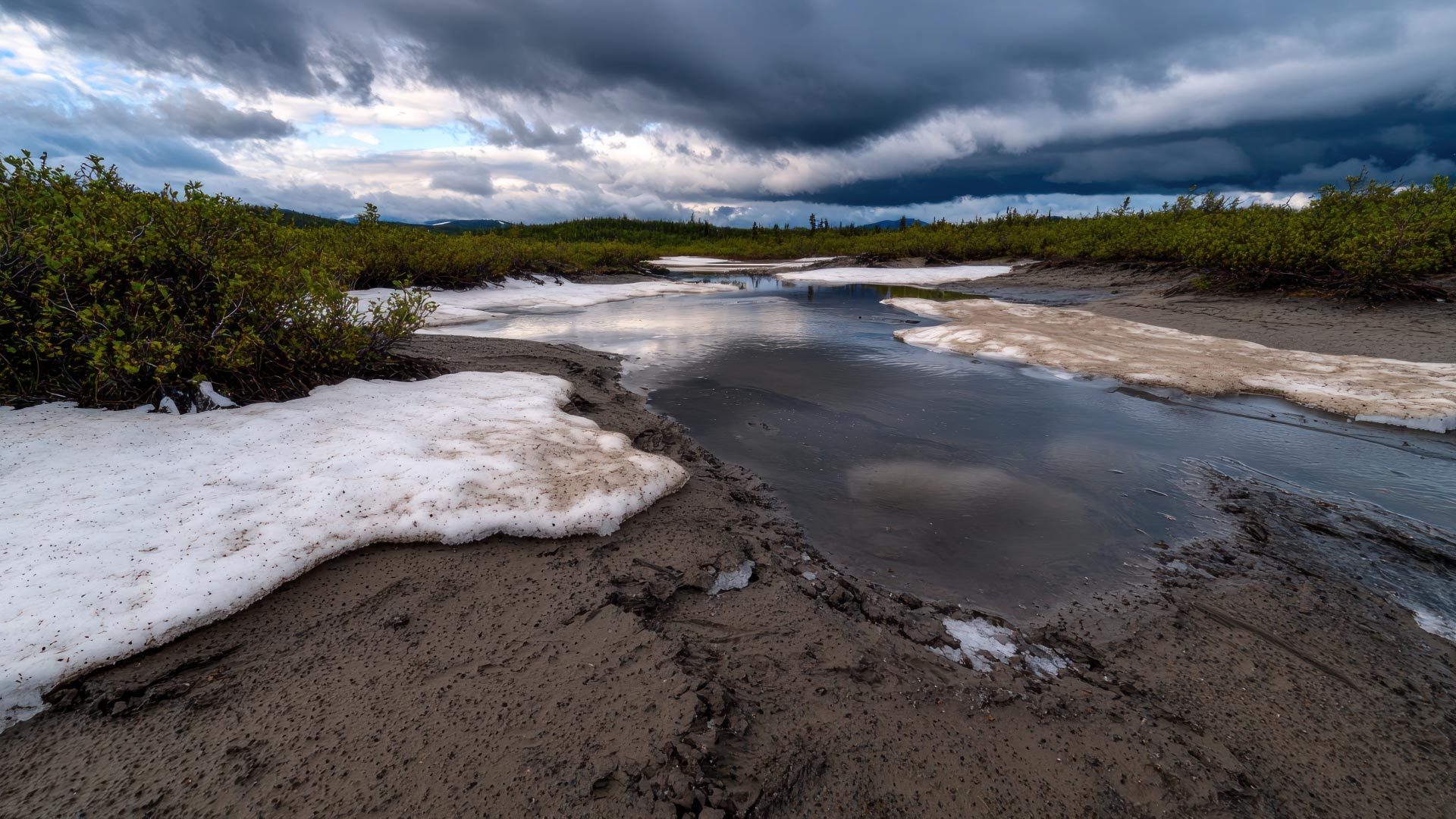
Urban stormwater management in Alaska operates under conditions that are fundamentally different from those in most other regions of North America. Long winters, rapid spring snowmelt, freeze–thaw cycles, and short construction seasons place sustained pressure on drainage infrastructure. Stormwater ponds are central to many urban drainage systems, serving as buffers that control runoff, reduce flooding, and protect downstream waterways. Over time, however, these ponds lose effectiveness as sediments accumulate.
Stormwater pond dredging has become a critical maintenance strategy for Alaska municipalities seeking to improve drainage reliability, protect public infrastructure, and reduce long-term maintenance costs. When properly planned and executed, dredging restores pond capacity, improves water quality, and extends the functional life of existing stormwater systems. This article explores why stormwater pond dredging is so important in Alaska cities, how the process works, and what municipalities should consider when planning urban pond dredging projects.
Urban Drainage Challenges Unique to Alaska
Climate-driven runoff patterns
Alaska’s hydrologic cycle creates intense but short-duration runoff events. Snowpack builds up over several months, then melts rapidly during spring breakup. In many urban areas, frozen or partially frozen soils limit infiltration, causing large volumes of meltwater to enter stormwater systems rapidly. Summer rainfall events can compound the problem, especially when drainage infrastructure is already stressed.
Stormwater ponds are designed to manage these peaks, but their performance depends heavily on available storage volume. As sediments accumulate, that volume decreases, reducing the pond’s ability to buffer runoff during critical periods.
Urban development and impervious surfaces
Cities across Alaska continue to expand, with new roads, parking areas, rooftops, and compacted ground surfaces increasing runoff volumes. Many stormwater systems were designed decades ago, based on smaller contributing areas and less intense development patterns.
Urban pond dredging becomes increasingly important as development adds sediment and debris to drainage networks. Sand from winter road maintenance, fine silts from construction sites, and organic material from surrounding landscapes all settle in stormwater ponds over time.
Aging infrastructure and deferred maintenance
In some communities, stormwater ponds have not been dredged since initial construction. Deferred maintenance allows sediment buildup to progress unnoticed until problems lead to localized flooding, erosion around outlets, or water quality complaints. Stormwater pond dredging addresses these issues before they escalate into more costly failures.
Understanding Stormwater Pond Dredging
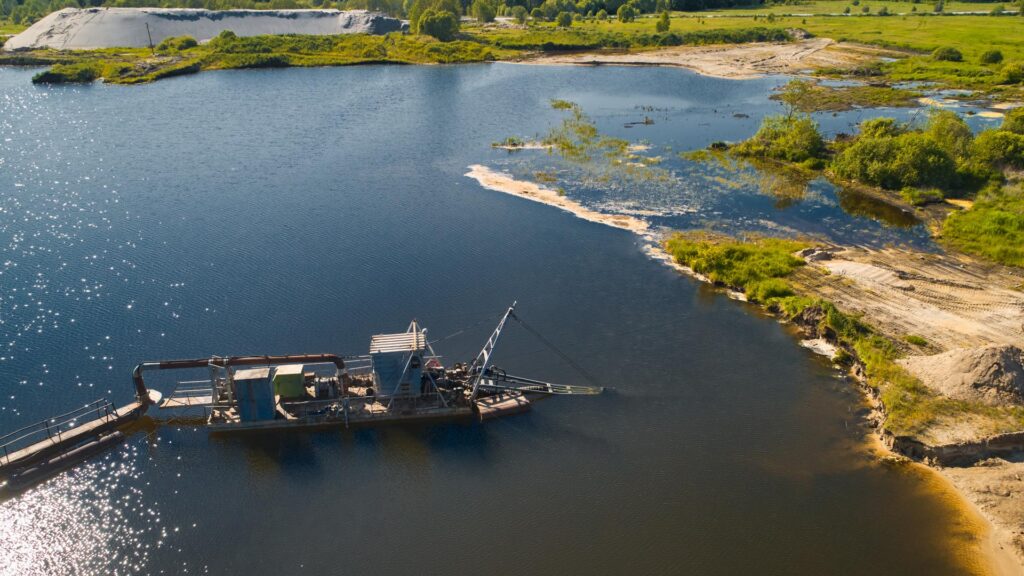
Stormwater pond dredging involves removing accumulated sediments, debris, and organic matter from the pond basin to restore its original design capacity. The objective is functional restoration rather than redesign.
How sediment accumulation affects pond performance
Sediments reduce effective storage volume, limit settling time, and can obstruct inlet and outlet structures. As ponds become shallower, water velocities increase, reducing sediment capture efficiency and allowing pollutants to pass downstream. Excessive vegetation growth may also occur, further interfering with hydraulic performance.
Maintenance dredging versus corrective dredging
Maintenance dredging is performed on a planned cycle to remove sediments before they significantly affect performance. Corrective dredging occurs after capacity has been substantially reduced or when drainage problems become apparent. In Alaska, planned maintenance dredging often proves more cost-effective due to limited construction windows and higher mobilization costs.
Why Alaska Stormwater Dredging Requires Specialized Approaches
Short working seasons
Many dredging projects in Alaska must be completed within narrow seasonal windows. Frozen ground, ice cover, and environmental restrictions limit when work can occur. Efficient mobilization, equipment selection, and project sequencing are essential to completing stormwater pond dredging on schedule.
Freeze–thaw effects on sediment behavior
Repeated freeze–thaw cycles break down soils into finer particles that are easily transported by runoff. These fine sediments settle quickly in stormwater ponds, increasing accumulation rates. Alaska stormwater dredging programs must account for this accelerated sedimentation when planning maintenance intervals.
Access constraints in urban environments
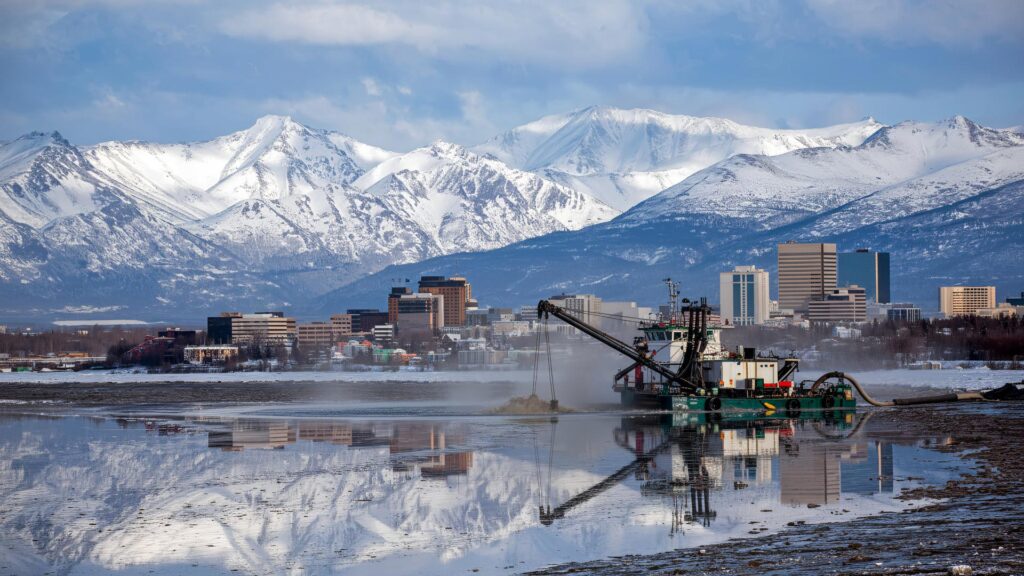
Urban ponds are often located near roads, residential areas, or commercial developments. Limited access can restrict the use of traditional excavation equipment. Hydraulic dredging methods are frequently preferred because they minimize surface disturbance and require smaller on-site footprints.
Benefits of Stormwater Pond Dredging in Alaska Cities
Improved flood control and drainage reliability
By restoring pond storage capacity, stormwater pond dredging improves the system’s ability to manage peak flows. This reduces the risk of roadway flooding, property damage, and erosion during snowmelt and storm events.
Enhanced water quality protection
Stormwater ponds capture sediments that carry nutrients, metals, hydrocarbons, and other pollutants. Removing accumulated material reduces the pollutant load discharged into downstream waterways, supporting healthier aquatic ecosystems.
Lower long-term infrastructure costs
Routine urban pond dredging helps prevent structural damage to outlet works, embankments, and downstream channels. Addressing sediment buildup early often costs far less than repairing failed infrastructure or responding to flood-related emergencies.
Community and environmental resilience
Reliable stormwater systems contribute to safer transportation corridors, protected neighborhoods, and reduced environmental impacts. In Alaska’s challenging climate, proactive dredging supports long-term community resilience.
The Stormwater Pond Dredging Process
Site assessment and data collection
Effective stormwater pond dredging begins with a detailed assessment. Bathymetric surveys, sediment depth measurements, and visual inspections help quantify the volume of material to be removed. Sediment sampling may be required to determine disposal or reuse options.
Permitting and regulatory coordination
Stormwater dredging in Alaska often requires coordination with state and local agencies. Permits may include turbidity limits, timing restrictions, and sediment-handling procedures. Early engagement with regulators helps avoid delays during the short construction season.
Dredging methods used in urban ponds
Common approaches include:
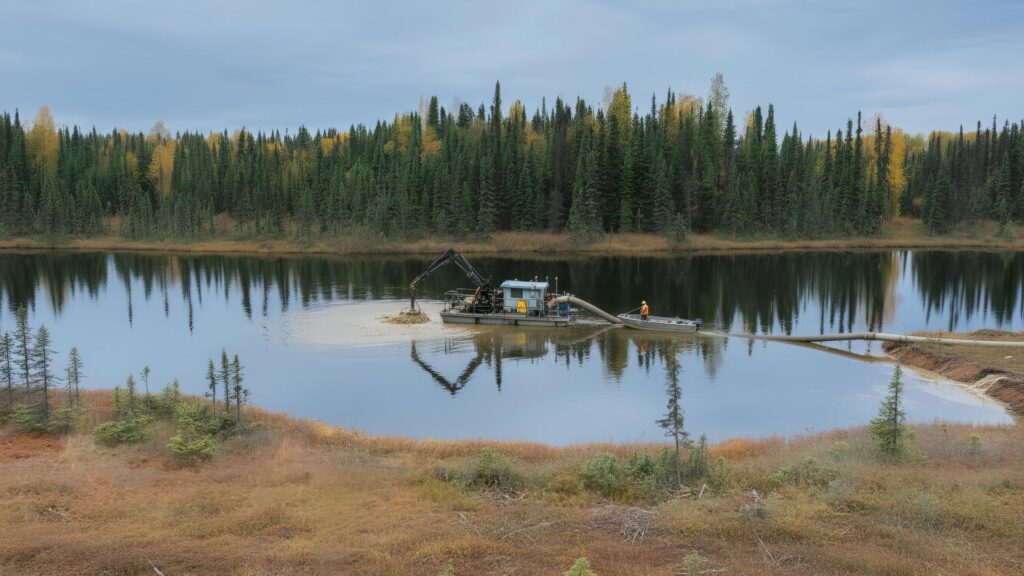
- Hydraulic dredging, which removes sediments as a slurry and pumps them to a dewatering area
- Mechanical dredging using excavators, where access allows
- Hybrid methods that combine both techniques
Hydraulic dredging is frequently used for Alaska stormwater dredging due to its flexibility, reduced site disturbance, and ability to operate in confined urban settings.
Dewatering and sediment management
After removal, sediments are dewatered to separate solids from water. Dewatered material is then transported for disposal or beneficial reuse where permitted. Managing this process efficiently is especially important given Alaska’s transportation distances and disposal limitations.
Post-dredging inspection and verification
Following dredging, ponds are inspected to confirm restored capacity and proper function of inlet and outlet structures. Documentation supports compliance and helps establish future maintenance schedules.
Urban Pond Dredging Applications Across Alaska Cities
In larger cities, stormwater ponds often protect major transportation corridors and commercial districts. Restoring capacity in these ponds can significantly reduce flood complaints and maintenance demands. In smaller municipalities, a single stormwater pond may serve a large portion of the drainage network, making dredging essential for system-wide performance.
Across Alaska, urban pond dredging projects share common objectives: restoring hydraulic function, improving water quality, and minimizing disruption to surrounding communities.
Cost Considerations for Stormwater Pond Dredging
The cost of stormwater pond dredging varies depending on several factors:
- Volume and type of sediment
- Access constraints and site layout
- Dredging method selected
- Dewatering and disposal requirements
- Project timing and duration
While dredging represents a significant investment, it is often far less costly than repairing flood damage or replacing failed infrastructure. Many Alaska municipalities incorporate dredging into long-term stormwater management plans to distribute costs predictably.
Alaska Dredge: Experience Built for Alaska Conditions
Alaska Dredge brings specialized experience to stormwater pond dredging projects across the state. Working in Alaska requires a practical understanding of cold-climate conditions, limited construction seasons, and complex regulatory environments. Alaska Dredge approaches urban pond dredging with these realities in mind.
From initial assessment through execution and post-project verification, Alaska Dredge focuses on restoring functionality while minimizing disruption to surrounding communities. Experience with hydraulic dredging systems, sediment handling, and urban site constraints allows for efficient project delivery even in challenging locations. For municipalities seeking reliable solutions tailored to Alaska’s environment, Alaska Dredge provides practical expertise grounded in local conditions.
Best Practices for Long-Term Stormwater Pond Management
Stormwater pond dredging is most effective when integrated into a broader maintenance strategy. Best practices include:
- Regular inspections to monitor sediment accumulation
- Managing upstream erosion and sediment sources
- Maintaining inlet and outlet structures
- Planning dredging cycles based on measured conditions rather than reactive needs
This proactive approach reduces the need for emergency repairs and supports predictable budgeting.
Final Thought: Long-Term Solutions for Urban Stormwater Management in Alaska
Stormwater pond dredging plays a vital role in improving urban drainage across Alaska cities. By restoring storage capacity, improving water quality, and protecting downstream systems, dredging strengthens stormwater infrastructure in a demanding climate. As development continues and weather patterns remain challenging, proactive stormwater pond dredging, urban pond dredging, and comprehensive Alaska stormwater dredging strategies will remain essential.
With careful planning, experienced execution, and ongoing maintenance, stormwater ponds can continue to serve as reliable components of Alaska’s urban drainage systems for decades to come.