EMAIL US
Sales@alaskadredge.com

Benefits of Cable-Deployed and Diver-Operated Pumps for Challenging Underwater Dredging in Alaska

Alaska Dredge’s Expertise in Real Alaskan Waters
Underwater dredging in Alaska is defined by real-world constraints, not textbook conditions. From sediment buildup in Nome Harbor to working docks around Kodiak Island, from the commercial traffic at Seward Port to the narrow waterways near Juneau, each location presents physical and environmental challenges that demand practical solutions.
Alaska Dredge has built its reputation by working directly in these waters. The company operates as a local dredging partner with firsthand experience managing Alaska underwater dredging projects in cold, tidal, and remote environments. That experience informs how work is planned, how risks are managed, and how equipment is selected.
In many of these projects, underwater dredging pumps play a critical role. Cable-deployed dredge pumps and diver-operated systems allow Alaska Dredge to address sediment removal challenges that conventional dredging equipment cannot handle effectively. These pump-based approaches offer flexibility, control, and reliability in Alaska’s demanding marine conditions.
The Reality of Underwater Dredging in Alaska
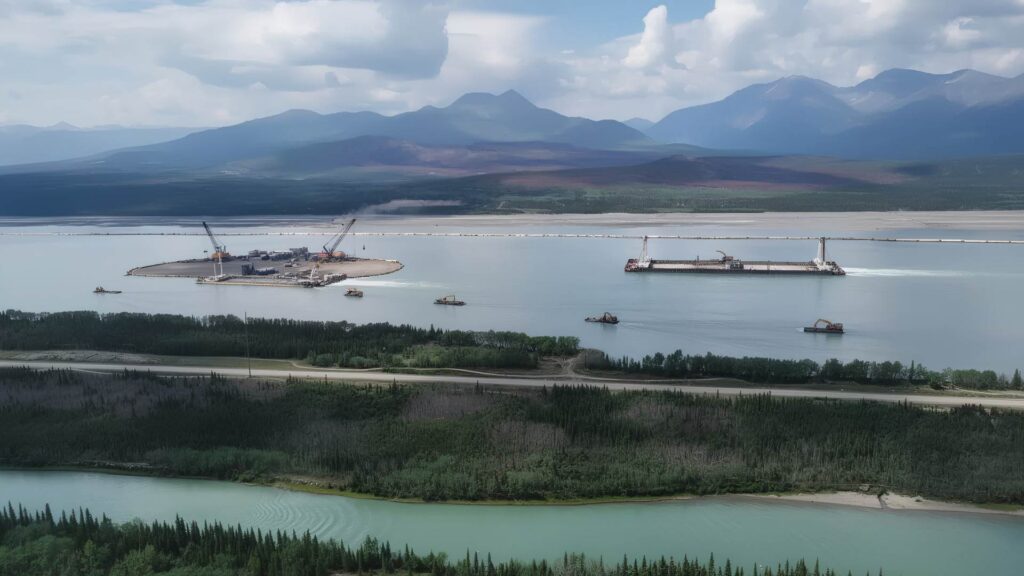
Alaska’s coastline spans thousands of miles and includes remote villages, exposed shorelines, and limited access points. Many communities depend on small harbors and docks that must remain operational despite harsh weather and seasonal changes. Alaska underwater dredging projects often take place far from major infrastructure, increasing logistical complexity.
Tidal ranges exceeding 20 feet in areas such as Cook Inlet create strong currents and rapidly changing water levels. In locations like Unalaska and Dutch Harbor, shallow depths, ice formation, and vessel congestion often make traditional dredging methods impractical. Large barges may struggle to maneuver, and heavy mechanical equipment can disrupt the surrounding environment.
Alaska Dredge addresses these challenges by evaluating each site individually. Before selecting underwater dredging pumps, the team considers tidal cycles, sediment movement, access limitations, and environmental sensitivities. This site-specific approach ensures the chosen equipment aligns with actual operating conditions rather than assumptions.
The Strategic Role of Underwater Dredging Pumps in Alaska Dredge Projects
Underwater dredging pumps are designed to move sediment in suspension, allowing material to be relocated without mechanical digging. This approach differs significantly from bucket-based or excavation-focused dredging, which can be disruptive in confined or sensitive areas.
Alaska Dredge uses underwater dredging pumps in diverse settings, including deeper channels in the Bering Sea, shallow estuaries near Ketchikan, and glacier-fed rivers where sediment loads change frequently. In cold-water and high-current environments, pump-based dredging provides steadier material removal and better control.
Traditional dredging methods often require stable conditions and wide working areas. Alaska underwater dredging rarely offers either. Pump-based systems allow Alaska Dredge to adapt to changing currents, limited access, and complex underwater layouts while maintaining productivity and safety.
Cable-Deployed Dredge Pumps: Alaska Dredge’s Key Tool for Remote Sites
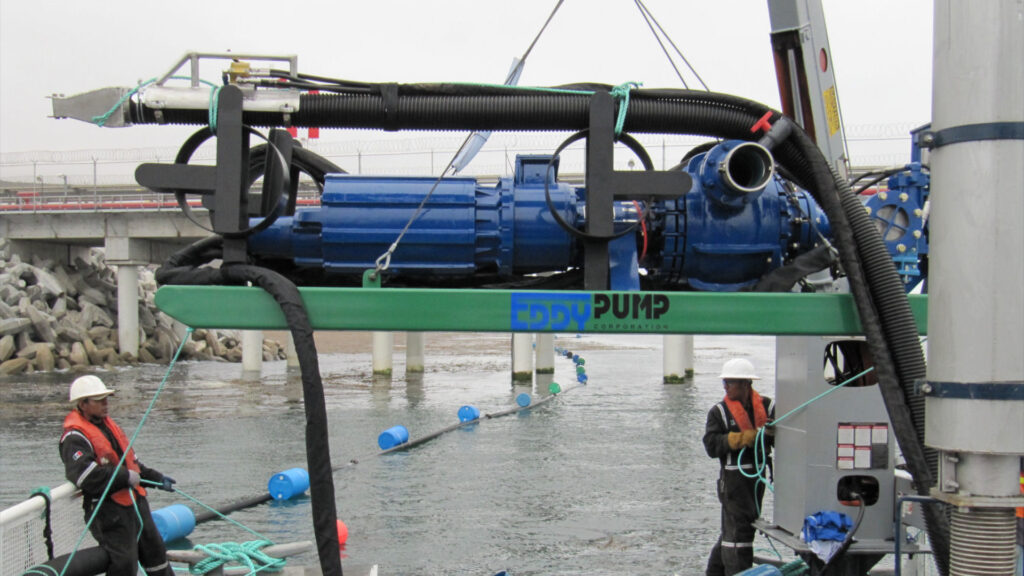
Cable-deployed dredge pumps are pump systems that are lowered into the work zone using a crane, winch, or davit, rather than being mounted on a large excavator or fixed dredge platform. The pump is suspended and positioned by cable, which allows it to reach areas that are difficult to access with traditional equipment. Alaska Dredge commonly deploys these pumps from shore when a stable access point is available, from work vessels when mobility is needed, or from barges when the project requires extended reach and controlled positioning over deeper water.
This method is especially useful at underwater dredging sites across Alaska where shoreline access is limited, water depths vary rapidly, or infrastructure restricts equipment movement.
Local application examples:
- Deploying pumps into narrow channels in Sitka Sound: In confined channels where boat traffic, dock layouts, or shoreline constraints limit maneuvering, Alaska Dredge can lower a cable-deployed dredge pump into the precise section of the channel that needs cleaning. This allows sediment removal without requiring large equipment to operate in tight working corridors.
- Reaching deep pockets under structures in Anchorage’s Lake Hood Seaplane Base: Under docks, ramps, or protected structures, sediment often settles into pockets that standard equipment cannot reach cleanly. With cable control, Alaska Dredge can place the pump directly at the buildup site, improving removal accuracy while protecting nearby infrastructure.
Benefits in Alaska-specific conditions:
The main advantage Alaska Dredge gains is reach without heavy barge traffic. Cable-deployed dredge pumps reduce the need to move large platforms through tight or shallow areas, lowering mobilization complexity, enabling work in remote locations, and supporting steadier production in challenging Alaska underwater dredging conditions.
Diver-Operated Pumps: Precision Work in Alaskan Waters
Diver-operated pump systems are used when precision is essential. These systems allow trained divers to guide suction directly at sediment buildup, particularly around pilings, docks, and underwater utilities.
Alaska Dredge employs diver-operated pumps in areas such as the Valdez Marine Terminal and beneath docks at Homer Spit. In these environments, conventional equipment could damage infrastructure or disturb excessive sediment.
Cold-water diving presents unique risks. Alaska Dredge maintains strict safety protocols, including surface support teams, redundant air systems, and clear procedures for low-visibility and icy conditions. These standards enable the safe use of diver-operated systems while delivering highly targeted sediment removal.
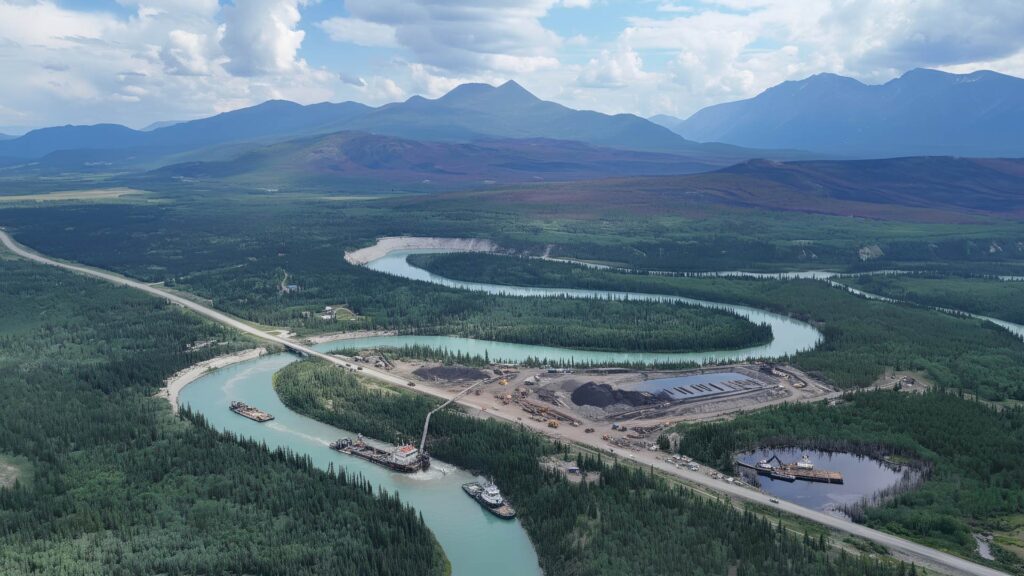
Operational Benefits Alaska Dredge Delivers Using These Pump Systems
- Access to Hard-to-Reach Locations
Remote communities such as Nome and Bethel often lack the infrastructure needed to support large dredging equipment. Underwater dredging pumps allow Alaska Dredge to operate effectively without extensive mobilization. Cable-deployed dredge pumps can be transported and deployed using smaller vessels or limited shore access.
- Increased Control and Efficiency in Strong Currents
Areas like Turnagain Arm experience strong tidal flows that can disrupt traditional dredging operations. Alaska Dredge uses pump-based strategies to maintain steady sediment removal even as currents shift. Underwater dredging pumps deliver consistent performance, reducing downtime from fluctuating water conditions.
- Reduced Environmental Impact
Many Alaska underwater dredging sites are located near sensitive fish habitats. By using precise pump placement and controlled flow rates, Alaska Dredge minimizes turbidity and sediment spread. This approach is particularly important in Southeast Alaska, where salmon habitats are closely protected.
- Reliability in Cold and Ice-Prone Conditions
Seasonal ice and freeze-thaw cycles affect both access and equipment performance. Alaska Dredge selects pump systems designed to operate reliably in cold conditions. Cable-deployed dredge pumps and diver-operated systems can be deployed and retrieved quickly as weather and ice conditions change.
Alaska Dredge Applications: Real-World Pump Use Cases
Underwater dredging pumps are most effective in locations where access is limited, precision is required, or environmental sensitivity is high. Alaska Dredge applies these systems across Alaska, adapting each approach to local site conditions rather than relying on standardized methods.
Examples of Where Underwater Dredging Pumps Make the Biggest Difference
- Maintenance Dredging of Community Harbors (Kodiak, Craig)
The community supports fishing fleets, fuel deliveries, and essential transport. In places like Kodiak and Craig, sediment buildup reduces draft depth and restricts safe navigation. Alaska Dredge uses underwater dredging pumps to remove accumulated material without disrupting daily harbor operations. Cable-deployed dredge pumps allow work in tight areas near docks and ramps where larger equipment cannot operate efficiently.
- Infrastructure Support for Oil and Gas Access Points
Industrial access points require stable and predictable marine conditions. Sediment accumulation near docks and transfer areas can create safety and operational concerns. Alaska Dredge uses targeted pump-based dredging to clear these zones while working around fixed structures. Diver-operated and cable-deployed dredge pumps provide controlled sediment removal without excessive disturbance.
- Environmental Restoration Near Fish Spawning Rivers (Kenai River Estuary)
Restoration work near sensitive rivers demands careful control. Near the Kenai River estuary, Alaska Dredge relies on underwater dredging pumps to manage sediment while limiting turbidity. Pump placement and flow rates are adjusted to protect nearby habitats and support regulatory compliance.
How Alaska Dredge Customizes Pump Configurations
Alaska Dredge customizes pump setup based on water depth, sediment type, currents, and access constraints. Cable-deployed dredge pumps are positioned for reach in confined spaces, while flow control is adjusted to match site conditions. This tailored approach ensures efficient and responsible Alaska underwater dredging across diverse environments.
Choosing the Right Pump Strategy with Alaska Dredge
Selecting the correct pump strategy is one of the most important decisions in any Alaska underwater dredging project. Alaska Dredge approaches this process with a clear understanding that conditions vary widely across the state and that success depends on matching equipment to actual site conditions rather than assumptions.
Key Factors Alaska Dredge Considers for Proper Pump Selection
- Water Depth
Water depth plays a major role in pump selection and deployment. Deep channels, such as those found in Prince William Sound, require pump systems capable of consistent performance at depth while maintaining stable suction. In shallower coastal areas or confined harbors, Alaska Dredge prioritizes pump setups that offer reach and maneuverability without disturbing surrounding structures or shorelines.
- Sediment Types
Not all sediment behaves the same. Glacial silt found in many Alaskan waterways moves easily but can quickly cloud the water if not handled carefully. Coarse gravel at river mouths or tidal zones requires stronger intake control and positioning. Alaska Dredge evaluates sediment characteristics early to determine the most effective underwater dredging pumps and operating methods for each site.
- Regulatory and Seasonal Constraints
Environmental regulations and seasonal work windows heavily influence pump strategy. Fish migrations, habitat protections, and ice conditions limit when and how dredging can occur. Alaska Dredge selects pump systems that align with these constraints, allowing work to proceed efficiently within approved timeframes.
How Alaska Dredge Avoids Over- or Under-Engineering
Local experience allows Alaska Dredge to strike the right balance. By understanding how Alaskan waters behave over time, the team avoids oversized systems that increase costs or undersized setups that slow progress. This practical approach ensures efficient, reliable dredging without unnecessary complexity.
Safety, Compliance, and Environmental Stewardship in Alaska
Dredging in Alaska requires strict adherence to state and federal regulations. Projects may fall within NOAA-managed habitat zones or coincide with seasonal fishery closures. Alaska Dredge integrates these requirements into project planning from the start.
Safety remains a constant focus. Deploying divers and cable-deployed dredge pumps in cold-water environments demands careful coordination and communication. Alaska Dredge emphasizes training, equipment maintenance, and operational discipline to reduce risk.
Environmental stewardship guides how sediment is handled and where discharge is managed. Best practices for turbidity control and marine life protection are applied throughout each project to ensure compliance and long-term environmental responsibility.
Why Alaska Dredge Is the Trusted Choice for Underwater Dredging
Alaska Dredge has earned its position as a trusted dredging provider by consistently delivering results in some of the most demanding marine environments in the state. Alaska underwater dredging requires more than equipment knowledge. It requires firsthand experience with cold water, extreme tides, shifting sediment, and limited access. Alaska Dredge brings that experience to every project, allowing the team to anticipate challenges and respond effectively as conditions change.
The company’s reputation is built locally. Ports, tribal communities, and industry partners rely on Alaska Dredge because it understands regional priorities and operational realities. Projects are approached with respect for community needs, working waterfronts, and environmental responsibilities. This local trust is not assumed. It is earned through reliable performance and clear communication.
Alaska Dredge also stands apart in its use of technology. Underwater dredging pumps are used strategically, not generically. Cable-deployed dredge pumps allow access to confined or remote areas without heavy mobilization, while diver-operated systems provide precision near docks, pilings, and sensitive structures. These tools enable Alaska Dredge to deliver efficient, safe, and cost-effective dredging solutions.
By combining local knowledge with proven pump-based methods, Alaska Dredge delivers dependable results across a wide range of underwater dredging projects in Alaska.
Reliable Dredging Solutions Backed by Alaska Experience
Cable-deployed and diver-operated pump systems provide clear advantages for Alaska underwater dredging projects. They offer access to remote locations, precision near sensitive structures, and dependable performance in cold and tidal waters.Alaska Dredge brings proven experience, local understanding, and a disciplined approach to every project. If you are planning a dredging project in Alaska and need a partner who understands the realities of these waters, Alaska Dredge offers project assessments and customized underwater dredging pump solutions tailored to local conditions. Contact Alaska Dredge to discuss how these proven dredging strategies can support your next project.